High Protein Shrimp Recipes: 7 Easy Dinners
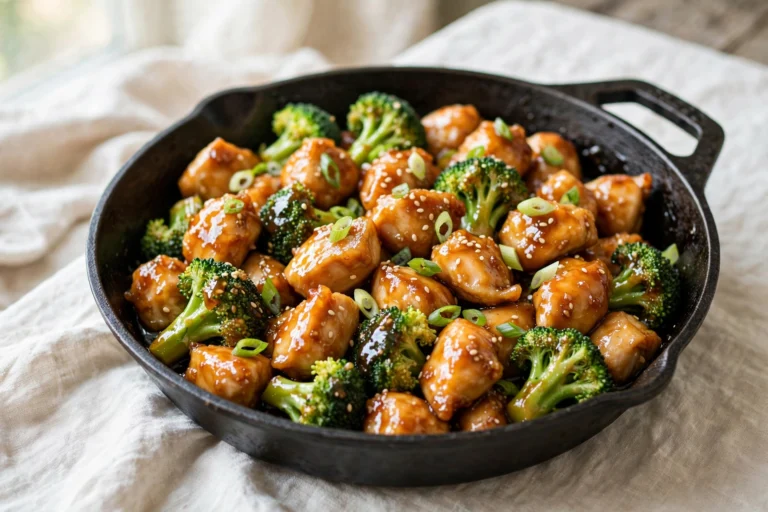
If you’re looking for high protein shrimp recipes that are fast enough for a weeknight, light enough for a smaller plate, and satisfying enough that you don’t go hunting for a snack an hour later, this is the collection for you. Our featured honey garlic shrimp and broccoli packs 38 grams of protein into a glossy, garlicky, better-than-takeout dinner that’s on the table in 20 minutes flat.
Shrimp is one of the smartest proteins in high-protein cooking: it’s naturally lean — about 20 grams of protein per 3-ounce serving for roughly 85 calories — cooks in under 5 minutes, and soaks up whatever sauce you put on it. It’s naturally portion-controlled, endlessly customizable, and built for GLP-1 friendly eating, where high protein plus fiber-rich vegetables keeps you full on a smaller plate. Whether you’re meal-prepping lunches, feeding a family on a busy weeknight, or just tired of the same chicken breast, these seven recipes deliver.
Why You’ll Love These High Protein Shrimp Recipes
- 38g protein per serving — the featured recipe beats most takeout orders by 10g or more, with half the calories
- 20 minutes, one pan — faster than ordering delivery, with one skillet to wash
- Meal-prep friendly — reheats well for up to 3 days, and the sauce actually gets better overnight
- GLP-1 friendly — lean protein plus 5g of fiber helps you feel full and satisfied on a smaller portion
- Budget friendly — frozen shrimp, frozen vegetables, and pantry sauces cost a fraction of takeout
- 7 flavor variations — from bang bang to garlic butter, you’ll never get bored
Ingredients
Here’s what you need for the featured honey garlic shrimp and broccoli (serves 4):
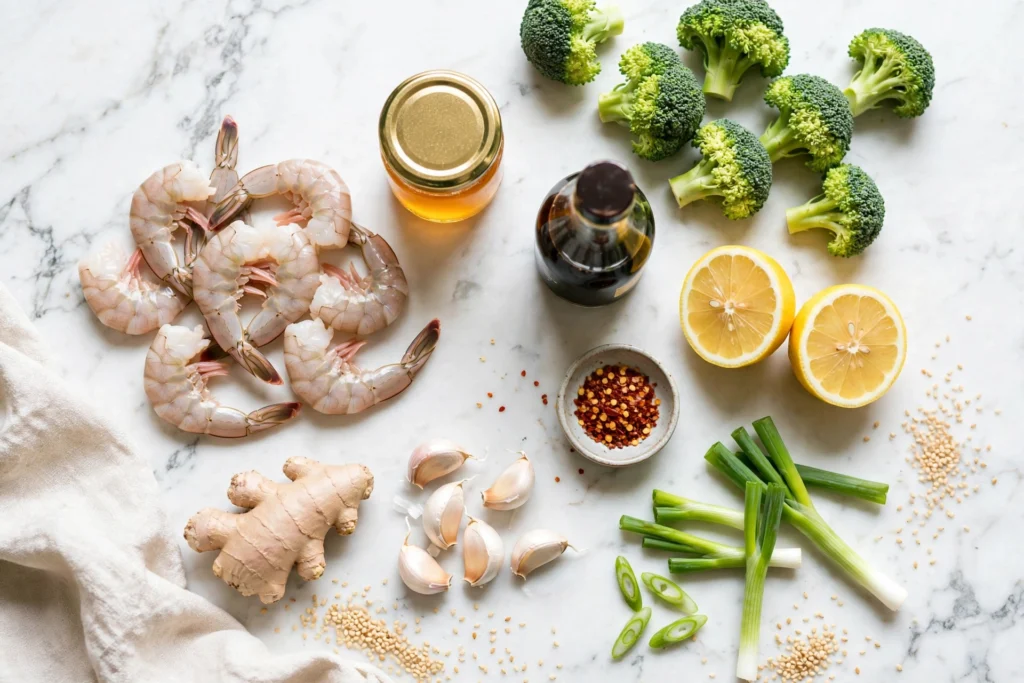
- 1 3/4 lbs large shrimp (21–25 count) — peeled, deveined, tails removed, and patted completely dry. Dry shrimp sear instead of steam, which is the whole secret to juicy shrimp. Frozen shrimp works perfectly — thaw it overnight in the fridge or under cold running water for 15 minutes.
- 3 cups broccoli florets — cut small so they cook fast and stay bright green. Fresh or frozen both work — if frozen, no need to thaw, just add an extra minute.
- 2 medium carrots — thinly sliced on a diagonal so they cook evenly and quickly, and add sweetness and color.
- 3 cloves garlic — minced. Fresh garlic matters here — it perfumes the whole pan.
- 1 tablespoon fresh ginger — grated. Ginger is the flavor backbone of a great honey garlic sauce; jarred ginger paste works in a pinch.
- 3 green onions — sliced, whites and greens separated. Whites go in the pan; greens finish the dish.
For the honey garlic sauce:
- 1/4 cup honey — the sticky-sweet base that caramelizes into a glossy glaze. Sugar-free maple syrup works for a lower-sugar version.
- 1/4 cup low-sodium soy sauce — the salty, savory balance. Tamari works for a gluten-free version; coconut aminos are a good lower-sodium swap.
- 1 tablespoon rice vinegar — adds brightness and cuts the sweetness.
- 1 teaspoon sesame oil — toasted sesame oil adds a nutty depth; a little goes a long way.
- 1/2 teaspoon red pepper flakes — optional, for gentle heat. Leave them out for kids, double them if you like spice.
- 1 teaspoon cornstarch mixed with 2 tablespoons cold water — the slurry that thickens the sauce into a glossy glaze.
- 1 tablespoon neutral oil — avocado or peanut oil, for searing.

How to Make Honey Garlic Shrimp and Broccoli
Step 1 — Whisk the sauce. In a small bowl, whisk together the honey, soy sauce, rice vinegar, sesame oil, red pepper flakes, and the cornstarch slurry. Set it by the stove — shrimp cooks fast once the pan is hot, and you don’t want to be measuring mid-cook.
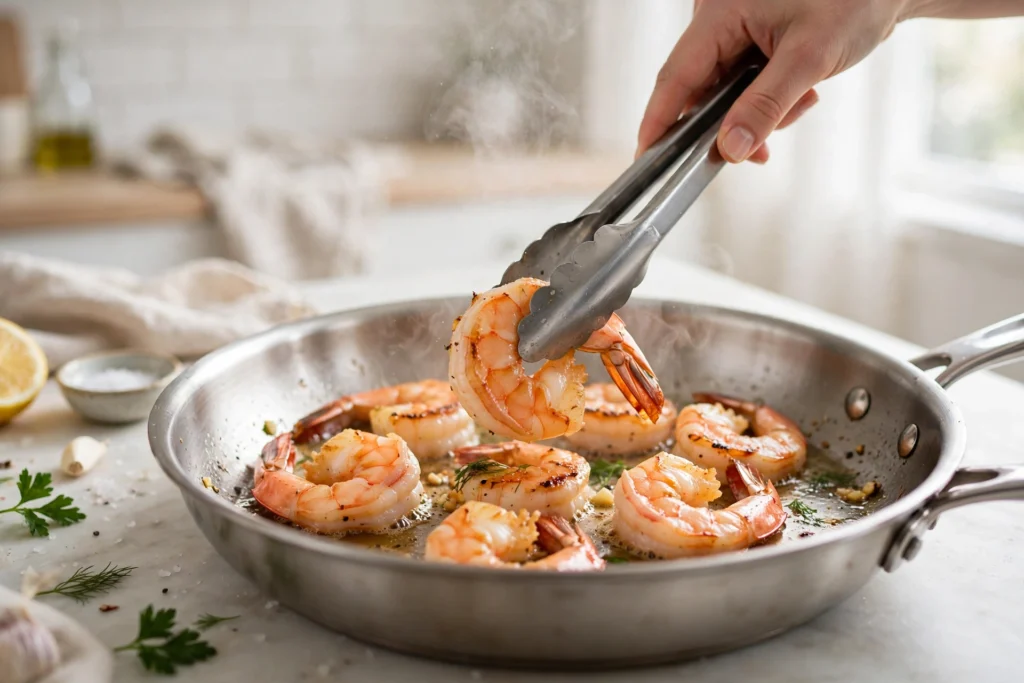
Step 2 — Sear the shrimp. Heat the oil in a large skillet over medium-high heat until it just starts to shimmer. Add the shrimp in a single layer — don’t crowd the pan, or they steam instead of sear. Cook 2 minutes per side, just until pink and curled into a loose C-shape. Remove to a plate immediately; shrimp overcook in seconds.
Step 3 — Flash-cook the vegetables. In the same pan, add the broccoli and carrots with a splash of water. Cover and steam for 2 minutes, then uncover and cook 1 minute more, until the vegetables are crisp-tender and brightly colored. Add the white parts of the green onions.
Step 4 — Bloom the garlic and ginger. Push the vegetables to the sides of the pan, add the garlic and ginger to the center, and cook 30 seconds until fragrant. Don’t let the garlic brown — browned garlic turns bitter and takes over the whole dish.
Step 5 — Glaze everything together. Return the shrimp to the pan, pour in the sauce, and toss everything together.

Step 6 — Serve. Cook 1–2 minutes more, tossing constantly, until the sauce thickens into a glossy coating that clings to every piece. Sprinkle with the green onion tops and sesame seeds. Serve immediately over rice, cauliflower rice, or noodles.

Tips for the Best High Protein Shrimp
Pat the shrimp completely dry. Wet shrimp steam instead of sear, and you end up with pale, rubbery shrimp swimming in liquid. Paper towels are not optional here — this is the single biggest difference between restaurant shrimp and disappointing homemade shrimp.
Don’t overcook the shrimp. Shrimp go from perfect to rubbery in about 60 seconds. Pull them the moment they turn pink and curl into a loose C. A tight O means overcooked. They finish cooking when they go back in with the hot sauce.
Get the pan hot before the shrimp goes in. A properly hot skillet sears the surface instantly, locking in juices and building golden color. If the pan isn’t hot enough, the shrimp release water and steam. Wait for the oil to shimmer — then wait five more seconds.
Cook the shrimp and vegetables separately. Shrimp need 4 minutes; broccoli needs 3. Cooked together, one of them is always wrong. Searing the shrimp first, then the vegetables in the same pan, keeps both perfect — and the shrimp juices left in the pan flavor the vegetables.
Add the sauce last, and don’t overcook it. The sauce needs only 1–2 minutes to thicken into a glaze. Longer, and it gets gummy while the shrimp turn tough.
Buy frozen shrimp. Unless you live near the coast, the “fresh” shrimp at the counter was frozen anyway. Frozen shrimp is cheaper, keeps for months, and thaws in 15 minutes under cold water — it makes these high protein shrimp recipes genuinely weeknight-friendly.
7 High Protein Shrimp Recipes
Start with the featured honey garlic recipe above, then rotate through these variations — each one uses the same quick-cook method, just a different sauce and vegetable mix:
- Garlic Butter Shrimp with Zucchini Noodles (32g protein) — Sear the shrimp in 2 tablespoons of butter with 4 cloves of garlic and a squeeze of lemon, then toss with zucchini noodles, cherry tomatoes, and parmesan. The lemon-butter sauce is light, the zucchini noodles keep carbs low, and dinner is done in 15 minutes.
- Spicy Bang Bang Shrimp Bowls (34g protein) — Toss crispy air-fried shrimp in a lighter bang bang sauce made with Greek yogurt, sriracha, and a touch of honey, then serve over rice with shredded cabbage, carrots, and cucumber. The yogurt swap keeps the creamy heat while adding protein.
- Lemon Garlic Shrimp and Asparagus (30g protein) — Sear shrimp with garlic, lemon zest, and asparagus spears in olive oil, then finish with white wine, lemon juice, and parsley. Bright, springy, and lighter — perfect for warmer months and the lowest-calorie variation of the bunch.
- Shrimp and Sausage Skillet (41g protein) — Brown sliced smoked turkey sausage first, then sear the shrimp in the same pan with broccoli and bell peppers in a garlic butter sauce with a touch of honey and Cajun seasoning. Two proteins push this one past 40g per serving — the highest-protein variation here.
- Air Fryer Shrimp Meal Prep Bowls (31g protein) — Toss shrimp in olive oil, smoked paprika, garlic powder, and cumin, then air fry at 400°F for 8 minutes. Portion into containers with rice, black beans, and roasted vegetables. The whole batch takes 25 minutes and covers four lunches.
- Shrimp Fajita Bowls (33g protein) — Sear shrimp with sliced bell peppers and onions in chili-lime seasoning, then serve over cilantro-lime rice with avocado, pico de gallo, and a dollop of Greek yogurt instead of sour cream. All the fajita flavor, none of the tortilla-wrapping fuss.
- Honey Sesame Shrimp Stir Fry (37g protein) — Swap the broccoli for snap peas and green beans, add an extra tablespoon of honey and a tablespoon of toasted sesame seeds to the sauce, and serve over rice noodles. Kid-friendly, crowd-pleasing, and the closest cousin to the featured recipe.
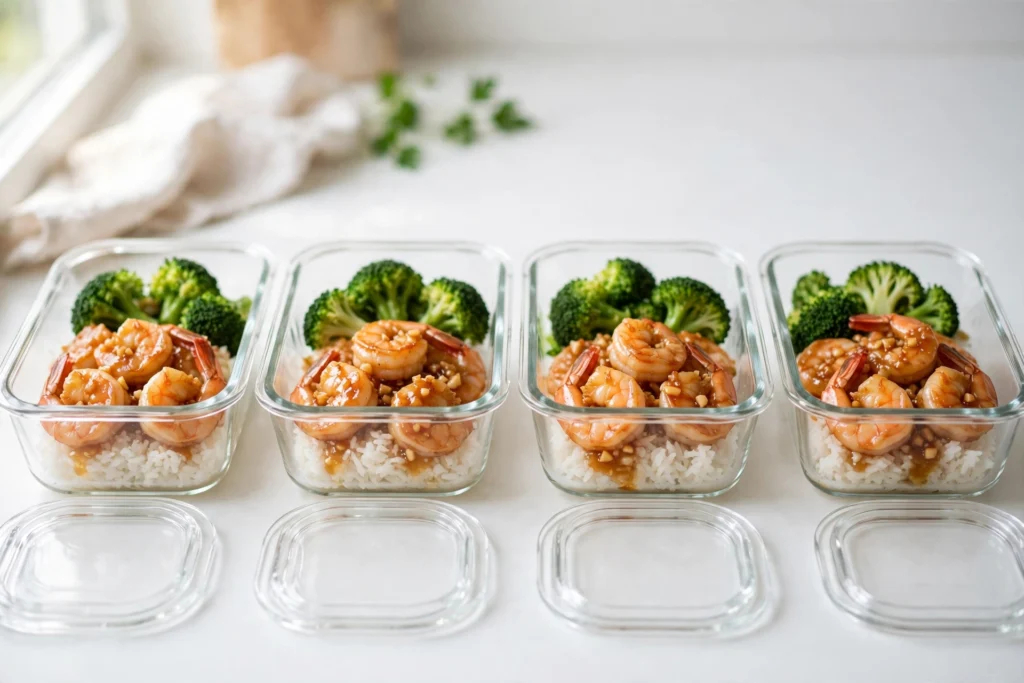
Meal Prep & Storage
These high protein shrimp recipes were made for meal prep — with one rule: shrimp is best within 3 days, not 5. Here’s how to do it right:
- Batch it: Double the featured recipe and portion into 4–8 containers with rice or cauliflower rice. Lunches are handled through Wednesday.
- Fridge life: Keeps 3 days refrigerated in sealed containers. The sauce soaks into the shrimp overnight, so day-two shrimp often tastes better than day one — but don’t push it past day three.
- Reheat gently: Microwave for 60–90 seconds, stirring halfway, or warm in a skillet over medium heat for 2–3 minutes. Overheating is what makes reheated shrimp rubbery, so stop as soon as it’s warm.
- Keep rice separate if you can: Storing the rice in its own compartment keeps the shrimp from getting soggy and the rice from drying out. It takes one extra container but the texture payoff is real.
- Freezer? Cooked shrimp freezes for up to 2 months, but the texture softens on thawing. If you freeze, freeze the shrimp and sauce only, and stir fry a fresh batch of vegetables when you reheat.
- Serving ideas: Over jasmine rice, brown rice, cauliflower rice, quinoa, or zucchini noodles — or straight from the bowl with chopsticks for the lowest-carb option.
Nutrition (Per Serving, Featured Recipe)
Approximate values: 430 calories, 38g protein, 34g carbohydrates, 5g fiber, 12g fat, 14g sugar. Values shift with your choice of vegetables, sauce swaps, and what you serve it over — but the 38g protein anchor holds across all seven variations. For a lower-carb plate, serve over cauliflower rice and halve the honey: you’ll land around 320 calories and 12g of net carbs.
Frequently Asked Questions
How much protein is in shrimp? Shrimp is one of the most protein-dense foods per calorie you can eat. A 3-ounce serving has about 20 grams of protein for roughly 85 calories. The featured recipe uses 1 3/4 pounds of shrimp across 4 servings, which is what gets each plate to a genuine 38 grams of protein.
Can I use frozen shrimp in these recipes? Yes — frozen shrimp is actually the better choice for most people. Thaw it overnight in the fridge, or under cold running water for 15 minutes, then pat it completely dry before cooking. Never thaw shrimp in warm water or the microwave; it starts cooking unevenly and turns rubbery.
How do I keep shrimp from getting rubbery? Three things: pat it dry, cook it fast over high heat, and pull it the moment it turns pink and curls into a loose C-shape — about 2 minutes per side. Shrimp continue cooking off the heat, so err on the side of underdone. A tight O-shape means overcooked.
Is shrimp good for weight loss? It can be. Shrimp is very low in calories and very high in protein, which is the combination that keeps smaller portions feeling full — the same principle behind GLP-1 friendly eating. Watch the honey in sweet glazes and the oil in the pan, and serve over cauliflower rice or zucchini noodles to keep the plate light.
Can I make high protein shrimp recipes ahead of time? Absolutely — they’re some of the best meal-prep dinners, with one limit: eat them within 3 days. Cook a double batch on Sunday, portion into containers with rice, and refrigerate. Reheat gently for 60–90 seconds in the microwave, and add a splash of water to loosen the sauce.
The Bottom Line
These high protein shrimp recipes prove that a 38g-protein dinner doesn’t require a long ingredient list, a special trip to the store, or a delivery app. Twenty minutes, one pan, and a sauce you whisked yourself — and dinner tastes better than the takeout it replaces.
Make the honey garlic version tonight — and if you try one of the seven variations, tell us which one became your regular. For more quick, protein-packed dinners, browse our High Protein Small Meals collection.

Ingredients
Method
- Whisk sauce ingredients.
- Sear shrimp in hot oiled skillet 2 min per side; remove.
- Steam broccoli and carrots 2 min covered, 1 min uncovered; add onion whites.
- Bloom garlic and ginger 30 sec.
- Return shrimp, pour in sauce, toss.
- Cook 1-2 min until glossy; garnish with green onions and sesame seeds; serve.